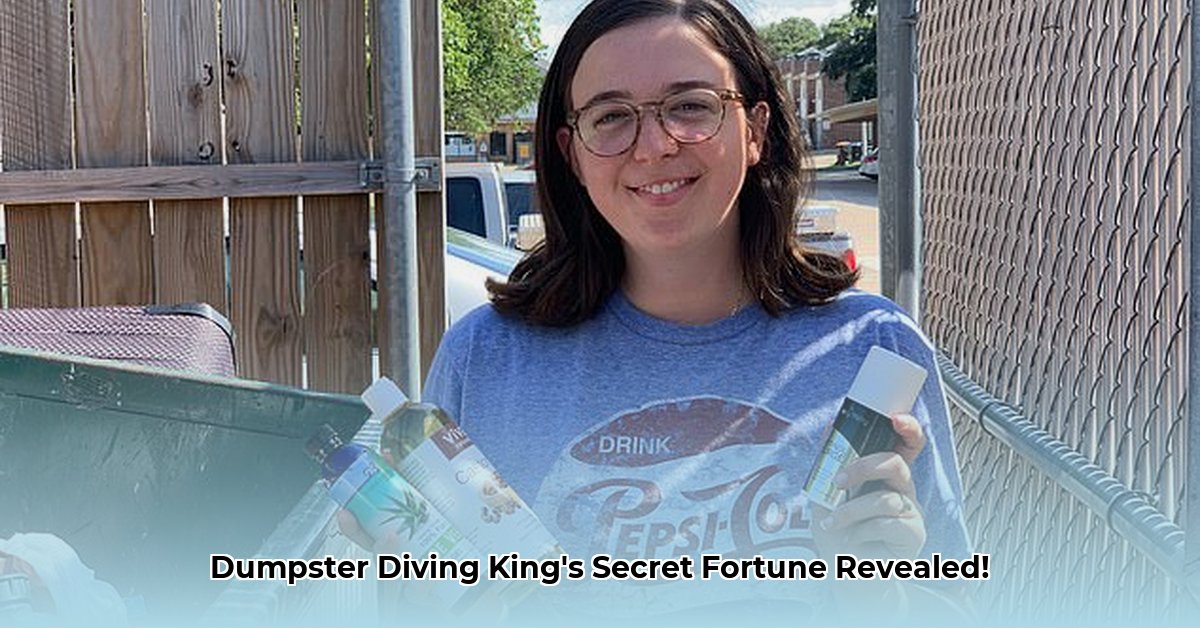
Dumpster Diving's Rise: From Trash to Treasure
The image of someone amassing wealth from dumpster diving might seem fantastical, yet a growing number of individuals are proving it's possible. This isn't simply scavenging; it's a calculated enterprise, reflecting broader societal shifts in consumerism, sustainability, and economic realities. But how much money can one truly make? This exploration delves into the world of professional dumpster diving, examining the strategies, ethical considerations, and potential financial rewards of this increasingly popular pursuit. What are the secrets to their success? Let's find out.
Do you know that the number of people actively engaged in dumpster diving is increasing year over year? This rise reflects a combination of factors, including heightened environmental awareness and economic pressures.
From Dumpster to Dollars: A King's Tale (or, Tales)
While there's no single, publicly recognized "Dumpster Dive King," successful divers share common traits and strategies. Their stories typically begin with a catalyst – perhaps job loss, a desire for sustainable living, or simply an astute observation of hidden value in discarded goods. This insight transforms trash into treasure.
The highly successful dumpster divers, are not simply scavenging; their success hinges on a potent combination of skill and strategy:
1. Strategic Location Scouting: This isn't about random searches. Successful divers meticulously identify the most lucrative locations – businesses known to discard high-value items regularly. This involves understanding disposal schedules, recognizing patterns, and even anticipating seasonal trends.
2. The Art of Appraisal: Identifying valuable items among refuse requires a keen eye and market knowledge. They can recognize the potential in seemingly worthless items—a slightly damaged designer handbag, a functional appliance, or even a usable piece of furniture.
3. Mastering the Marketplace: Divers are skilled sellers. This involves mastering online marketplaces using compelling photography, persuasive descriptions, and strategic pricing. Some restore or repurpose items, substantially enhancing their resale value.
4. Navigating Ethics: Successful divers operate within legal and ethical boundaries. This means avoiding trespassing, respecting private property, and ensuring compliance with local ordinances. They understand the critical importance of responsible scavenging.
The Million-Dollar Mystery: Estimating Potential Earnings
Determining a precise net worth for a top dumpster diver is all but impossible. Individual earnings vary widely depending on skill, location, market conditions, and the types of items acquired. This is not a predictable income, but the potential is significantly higher than many realize.
Income Streams: Successful divers generate income from multiple avenues:
Reselling: This is the primary income stream, with earnings ranging dramatically. A skilled diver could earn anywhere from a few thousand to tens of thousands of dollars annually.
Donations/Charity: Some donate a portion of their finds to charities, offering both material assistance and tax benefits.
Consultations/Workshops: Some share their expertise through workshops or online courses, generating additional revenue.
| Income Source | Potential Annual Earnings (USD) | Notes |
|---|---|---|
| Reselling Found Items | $500 - $50,000+ | Highly variable based on skill, market, location |
| Donations/Charity | Variable | Non-monetary impact, tax benefits possible |
| Teaching/Consulting | $1000 - $20,000+ | Depends on demand for workshops or courses |
Challenges and Ethical Considerations: The Tightrope Walk
Dumpster diving carries significant risks. Safety is paramount, as dumpsters expose divers to unsanitary conditions, sharp objects, and unpredictable hazards. Weather plays a major role, making it a challenging activity in extreme conditions. Legal issues can arise if boundaries are not strictly respected.
Ethical concerns are also crucial:
"The ethical considerations of dumpster diving are complex," says Dr. Anya Sharma, Professor of Environmental Ethics at the University of California, Berkeley. "While it can reduce waste, individuals must prioritize safety, legality, and respect for private property."
A Growing Movement: The Future of Dumpster Diving
Dumpster diving is gaining recognition as environmental awareness and economic hardship drive more individuals to seek alternative income sources and reduce waste. While the "Dumpster Dive King's" net worth remains elusive, the impact of this expanding movement on our relationship with waste and resourcefulness is undeniably significant. The future of dumpster diving depends on continued awareness, responsible practices, and the evolution of consumer habits.
How to Legally and Safely Dumpster Dive for Reusable Goods
Key Takeaways:
- Legality Varies: Local ordinances regarding dumpster diving differ significantly. Always check the laws in your area.
- Prioritize Safety: Wear protective gear; be aware of sharp objects and unsanitary conditions.
- Ethical Considerations: Respect property lines. Leave the area cleaner than you found it.
- Diverse Earnings Potential: Successful divers often generate income through sales, donations, or barter.